Describe the property
Send the location, symptoms, equipment and access details. State whether the work is a repair, replacement or planned project.
Need plumbing help in Burlington? Tell us about the leak, blocked drain, fixture or water heater. A responding provider will confirm coverage and availability before booking.
Get A Free QuoteCompare conventional tank replacement, rental buyout, and tankless options. Existing fuel, venting, connections, household demand, and installation space can change the equipment and work required.
View scopeConsider mechanical clearing or water jetting based on the obstruction and pipe condition. Camera inspection may help distinguish buildup from roots, a belly, or a damaged joint.
View scopeAssess exposed polybutylene or galvanized supply piping before comparing partial repairs with broader replacement. Material, layout, access, testing, and applicable inspection requirements shape the scope.
View scopeCompare direct toilet, faucet, and sink replacements with renovation work. Existing connections, fixture measurements, basement drain and vent routes, and the planned layout determine what is involved.
View scopePressure isolation, acoustic equipment, and thermal imaging may help investigate hidden leaks. Pipe location, symptoms, and access conditions determine which methods are useful.
View scopeAssess pump capacity, battery backup, and high-water alarms for sump concerns. A backwater valve addresses a different situation and depends on the building drain layout and applicable requirements.
View scopeUse water test results to compare softeners, well-water filters, UV treatment, or under-sink reverse osmosis. Each option targets different conditions and has distinct maintenance needs.
View scopeWater treatment should match a measured water concern, not a general assumption about a property's location. If your home uses a private well, arrange suitable testing for hardness, iron, manganese, sulphur-related odour, or other concerns before selecting equipment. For municipal supply, identify the specific issue at the tap and consider testing where appropriate. Share results and household use when comparing a softener, filter, UV system, or under-sink reverse osmosis unit, since each treats different conditions.
Compare conventional tank replacement, rental buyout, and tankless options. Existing fuel, venting, connections, household demand, and installation space can change the equipment and work required. Consider mechanical clearing or water jetting based on the obstruction and pipe condition. Camera inspection may help distinguish buildup from roots, a belly, or a damaged joint. Assess exposed polybutylene or galvanized supply piping before comparing partial repairs with broader replacement. Material, layout, access, testing, and applicable inspection requirements shape the scope.
Compare direct toilet, faucet, and sink replacements with renovation work. Existing connections, fixture measurements, basement drain and vent routes, and the planned layout determine what is involved. Pressure isolation, acoustic equipment, and thermal imaging may help investigate hidden leaks. Pipe location, symptoms, and access conditions determine which methods are useful.
Assess pump capacity, battery backup, and high-water alarms for sump concerns. A backwater valve addresses a different situation and depends on the building drain layout and applicable requirements. Use water test results to compare softeners, well-water filters, UV treatment, or under-sink reverse osmosis. Each option targets different conditions and has distinct maintenance needs.
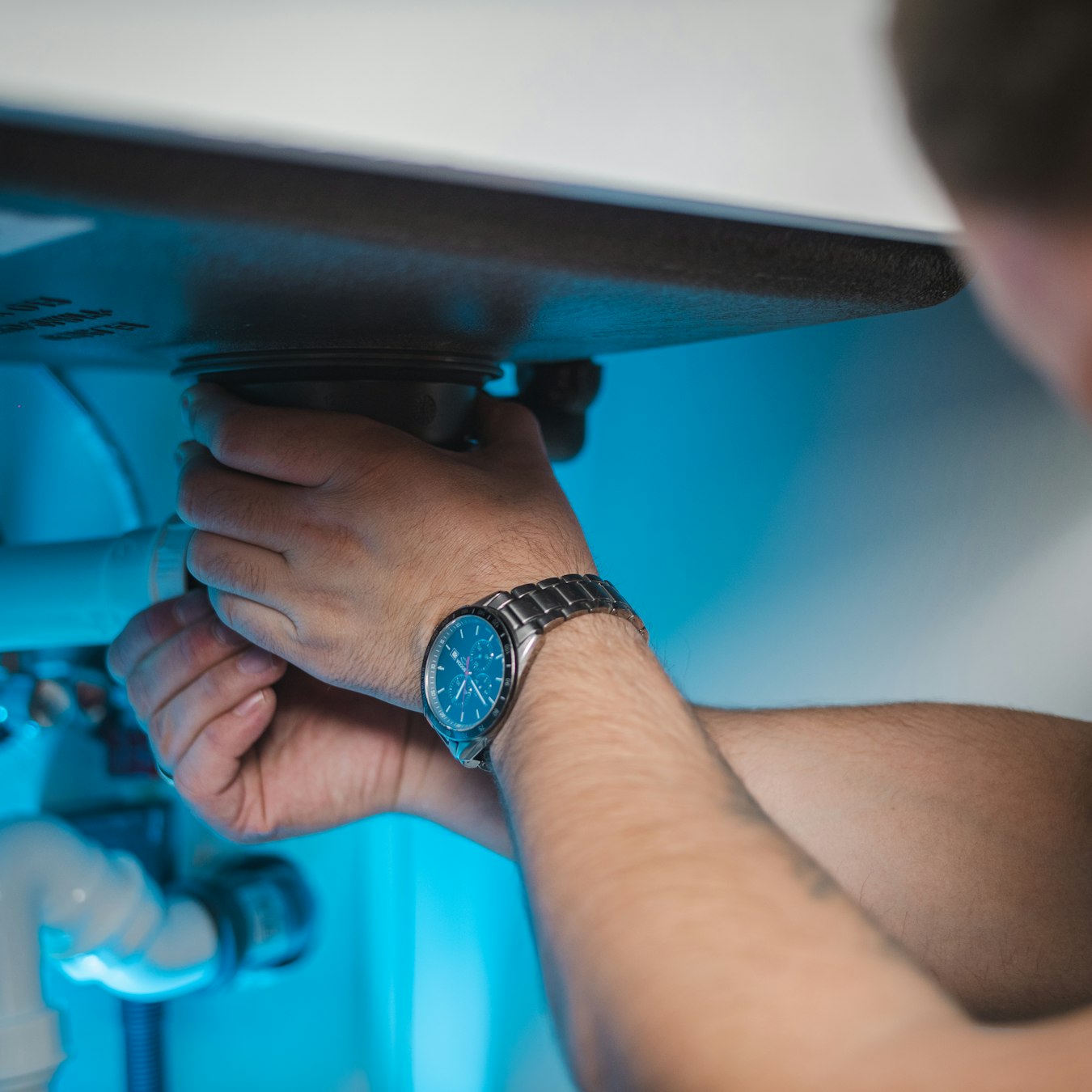
A slow fixture, recurring blockage, or backup can have different causes, including buildup, roots, a damaged joint, or a low section of pipe. If your property has older cast-iron drains, internal scale may reduce the usable opening; the age and condition of the line should be checked rather than assumed. Ask whether clearing, water jetting, or mechanical cutting fits the suspected obstruction, and whether a camera inspection can help distinguish a temporary blockage from a pipe problem.
Explore this serviceSend the location, symptoms, equipment and access details. State whether the work is a repair, replacement or planned project.
The request is reviewed so the responding provider can clarify the work, property access and service coverage.
Agree the provider identity, qualifications, written scope, pricing and visit window directly. Sending a form does not confirm an appointment.
If exposed piping is grey polybutylene or visibly corroded galvanized steel, photograph its markings, fittings, and route. Ask whether the assessment covers only the visible section or the connected system. PEX or copper may be options, but layout, connection details, and water conditions can affect material selection and the work needed.
If a leak may be below a slab, ask whether warm-water lines make thermal imaging useful and whether acoustic equipment can help locate escaping water. Each method has limits and depends on the pipe and site conditions. Confirm how a suspected location will be marked and what opening size or concrete work may be required before approving access.
If a private well tests high for iron, manganese, or sulphur-related concerns, ask which treatment stages address the measured results. A softener, oxidizing filter, and UV unit perform different functions and should not be treated as interchangeable. Confirm the test results each component is intended to address and what follow-up testing or maintenance may be needed.
Photograph the existing rating plate, shutoffs, vent, drain pan, and surrounding clearances. Share those details when requesting a replacement plan. Tank size, fuel, venting, and access can change the work required; a tankless conversion may require additional changes that a like-for-like tank replacement does not.
If grease, soap, or scale is restricting a line, ask whether water jetting is suitable for the pipe material and condition. If roots or a solid obstruction are suspected, mechanical cutting may be considered instead. The equipment choice matters because clearing the immediate blockage and cleaning accumulated deposits are different scopes.
Use the form to describe the property, the symptoms and the work requested. For Oakville, Hamilton, Waterdown, Ancaster, include your postal code so local coverage can be checked.